
WeatherStrong Closure: What Outdoor Kitchen Owners & Contractors Should Do Next
WeatherStrong's maker, Ideal Cabinetry, closed in November 2026. Here's what it means for your warranty, pending orders and outdoor kitchen plans.


The short answer

Choosing outdoor kitchen cabinets means balancing appearance, climate, maintenance and the heat around your grill. Aluminum, stainless steel and polymer each have different strengths, and coastal conditions make material and finish choices especially important. Here’s how the options compare and what to consider before you plan your space.
Powder-coated aluminum. Aluminum doesn't rust the way steel does; it forms a thin oxide layer that protects the metal underneath. A powder-coated finish adds a hard, colored layer on top. It's light enough to move and level without heavy equipment, and the finish comes in many colors.
Stainless steel. Strong and heat-tolerant, and the classic look for grills. The grade matters: 304 is common and fine inland, while 316 contains molybdenum and resists salt better. On the coast, 304 can show brown "tea staining" without regular cleaning.
HDPE (polymer). A solid plastic that doesn't absorb water, rot or need paint, and its color runs all the way through. Its weakness is heat: keep the clearances and insulated jackets your grill maker specifies.
Resin and wood-look polymers. Molded to look like wood without the upkeep. Like HDPE, check heat clearances next to the grill.
| Compare | Powder-coated aluminum | Stainless steel | HDPE / polymer |
|---|---|---|---|
| Rust | Doesn't rust | 304 can stain near salt; 316 resists | Doesn't rust |
| Weight | Light | Heavy | Heavy |
| Next to the grill | Best | Best | Needs clearance or an insulated jacket |
| Colors | Wide range of powder-coat colors | Mostly metal finishes | Fixed when you order |
| Upkeep | Rinse and wipe | Clean regularly, more often near salt | Rinse |
Salt is the hardest test for any outdoor kitchen. Whatever you choose, rinse cabinets with fresh water regularly so salt doesn't sit on the surface. With stainless, choose 316. With aluminum, look for a durable powder coat over a marine-grade 5052 aluminum. To care for a Matchless Cabinet finish, rinse it with fresh water, wipe it with a damp, non-abrasive cloth or sponge, and towel it dry; use a mild soap when it needs more. Keep stainless steel and appliance cleaners off the finish: spray them onto a cloth and wipe only the appliance. Hardware is marine-grade stainless steel, which resists corrosion and rust. See our cleaning and care guide for more information.
Metal and polymer cabinets don't absorb water, so they don't swell or crack in a freeze the way wood can. A cover keeps them clean through the off-season but isn't needed to protect the material.
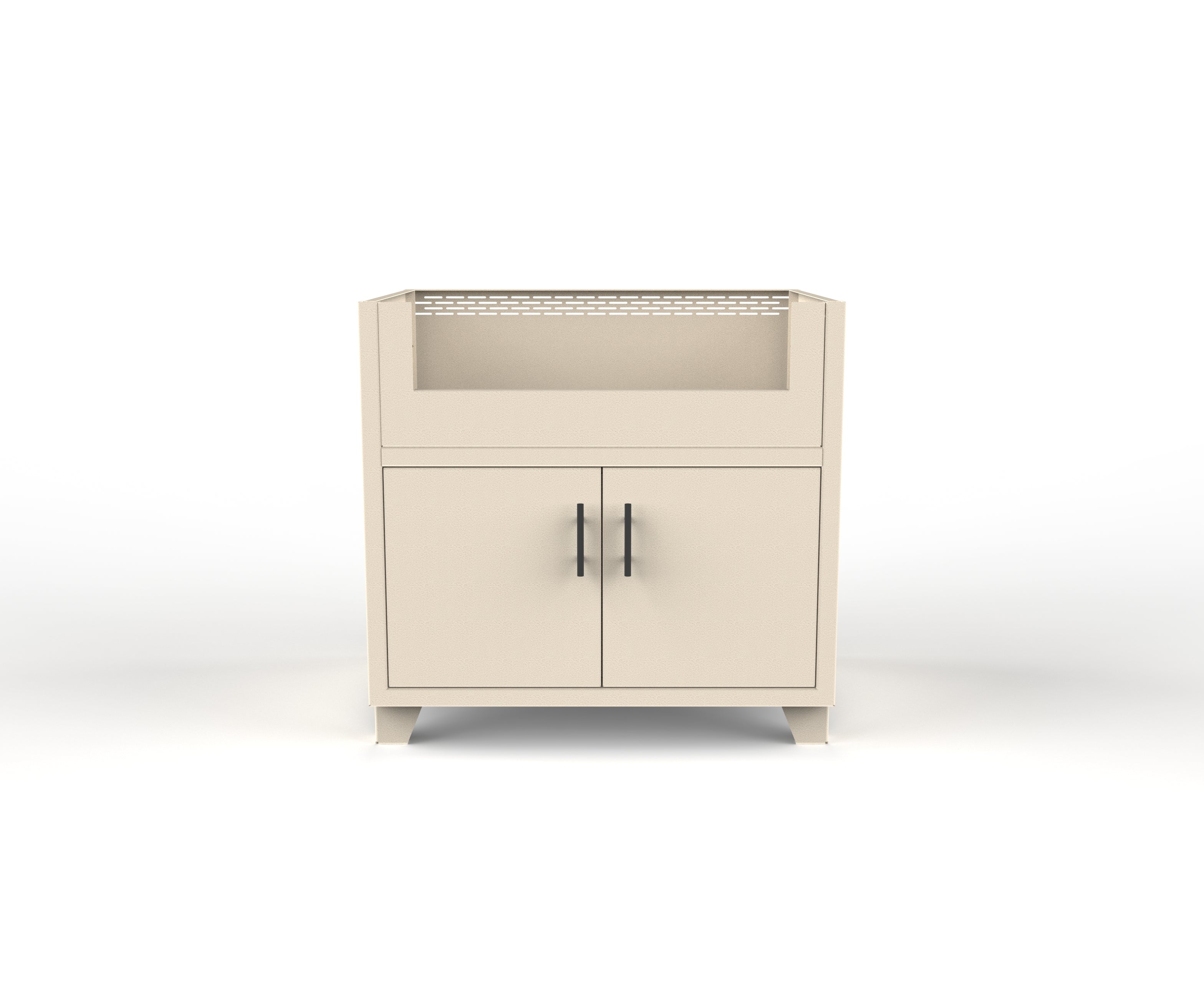
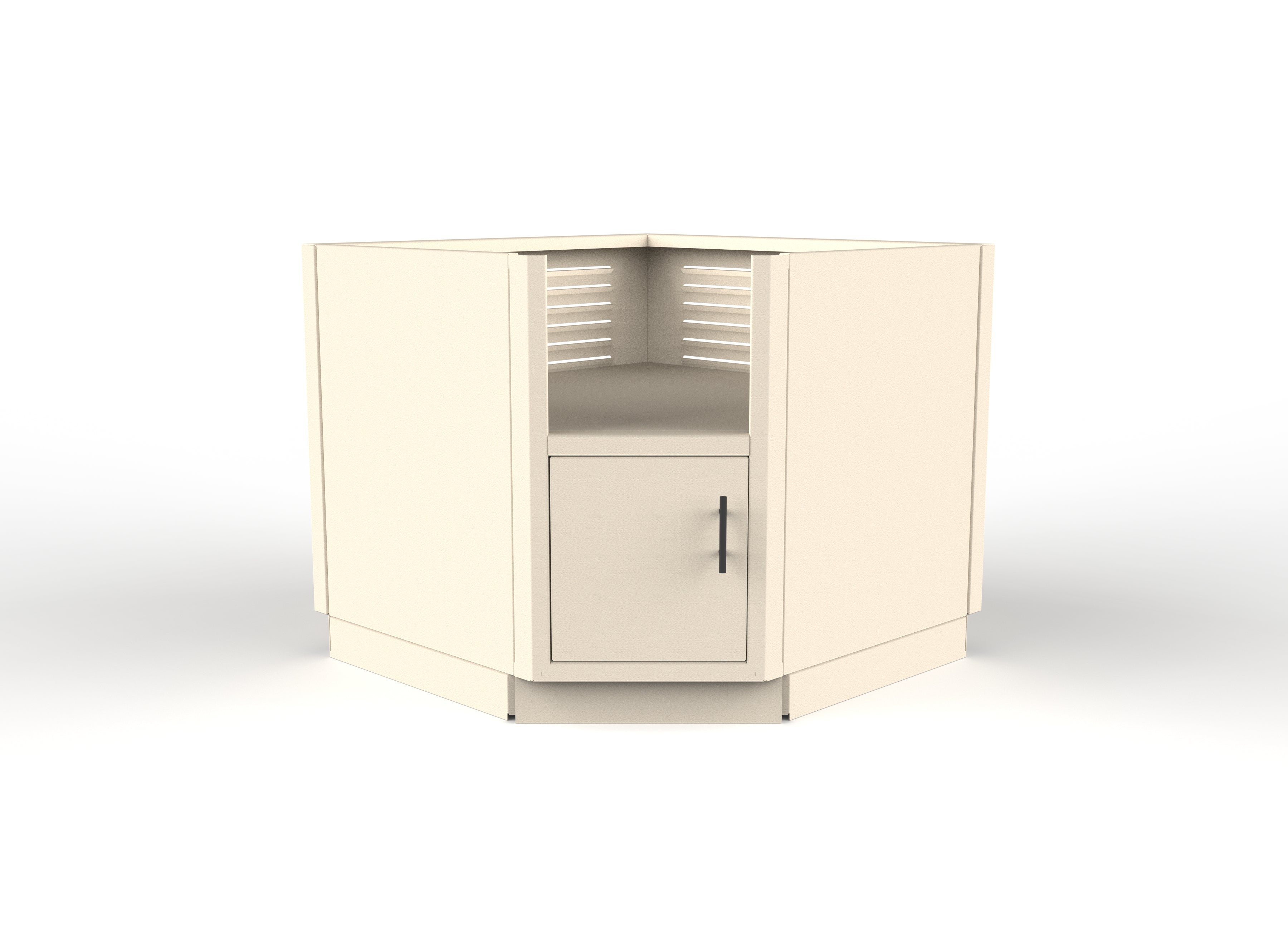
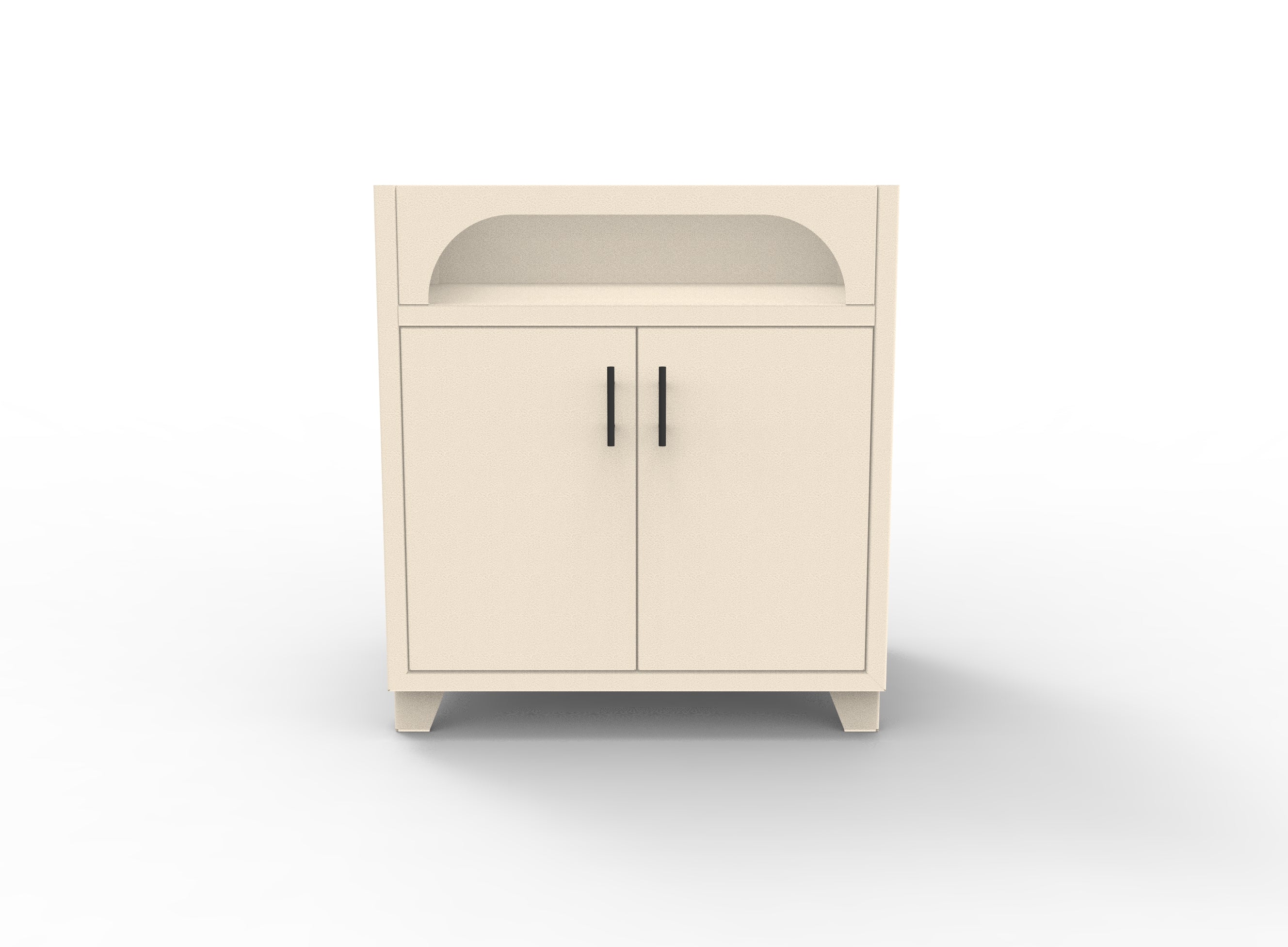
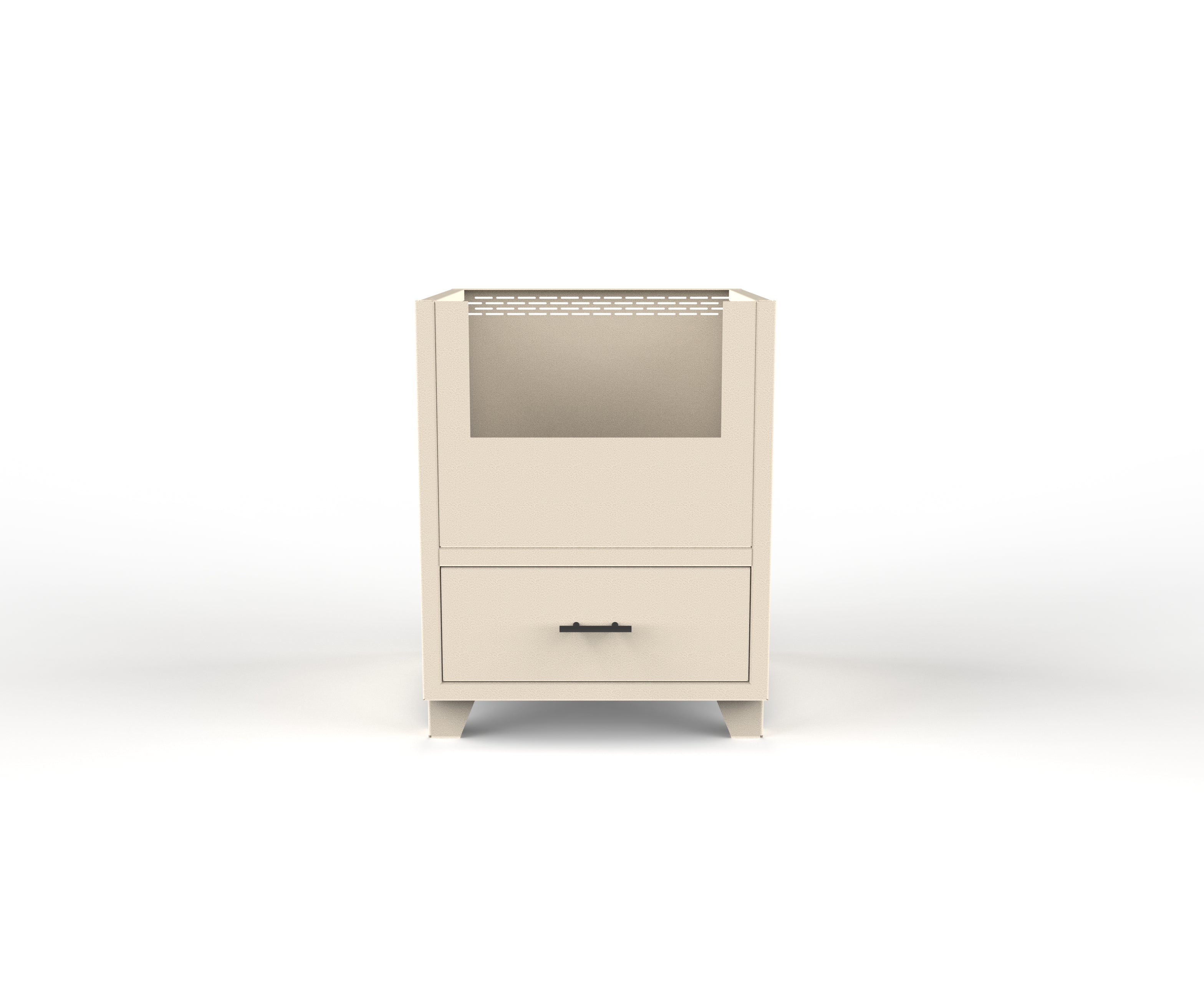
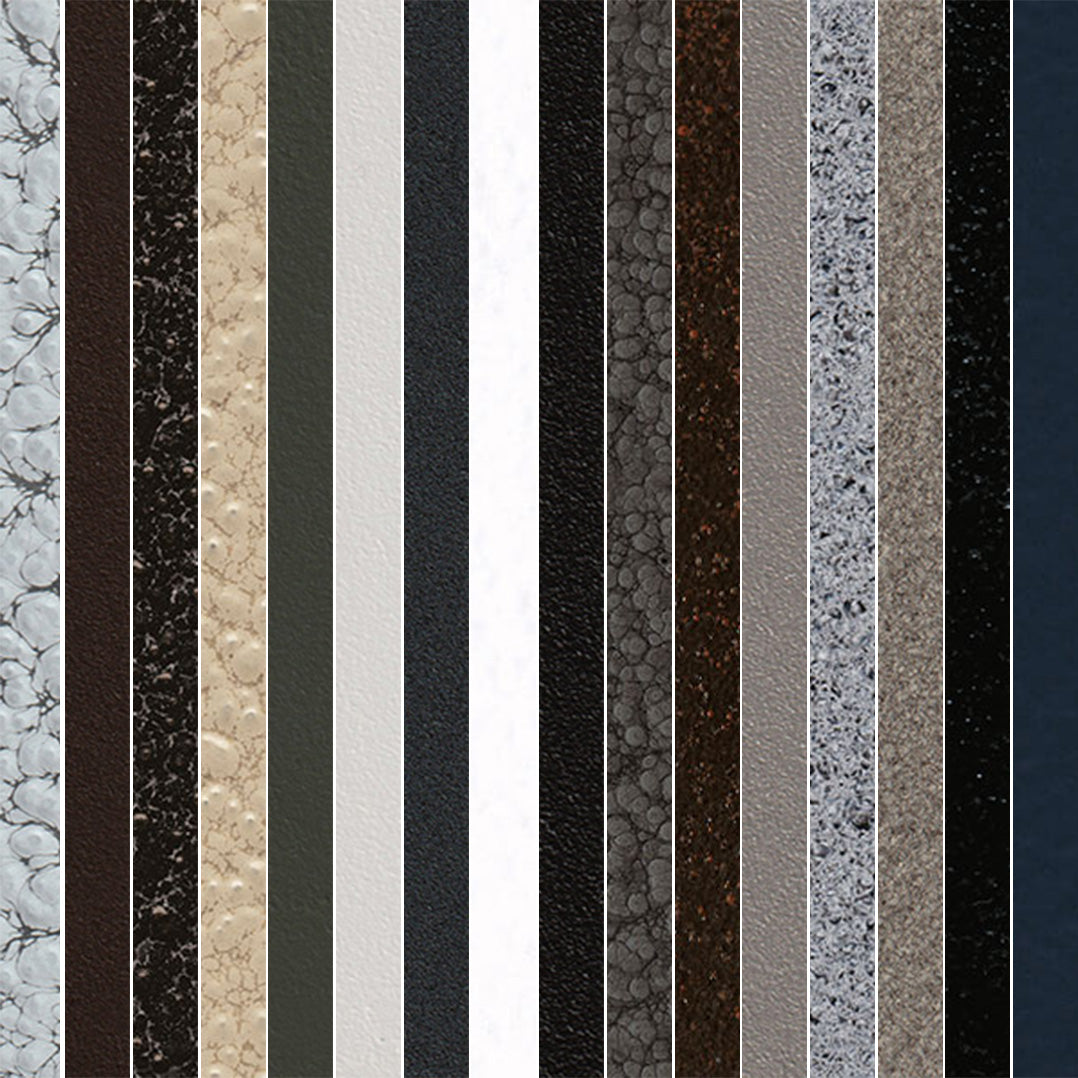
Matchless Cabinet builds every cabinet from a marine grade (type 5052) powder-coated aluminum, made in the USA and built to order, with a limited lifetime warranty. You can order color samples to see the finish in your own light before you commit, and plan your layout in the free Matchless Planner.
WeatherStrong's maker, Ideal Cabinetry, closed in November 2026. Here's what it means for your warranty, pending orders and outdoor kitchen plans.

We're proud to announce that Matchless Cabinet now carries Coyote Outdoor Living grills and appliances — professional-grade performance built for premium outdoor kitchens.

We’ve mastered the grill cart. Now, we’re tackling the rest of the patio. Introducing the Camino and the Centro—the foundation for everything else you cook outdoors. If...